In Phase 1 (2019-2024) several Working Groups were formed which facilitated collaboration across the Centre in several areas of work. These involved both internal meetings and discussions, and outward facing events, activities and publications. Whilst they no longer exist in their current form for Phase 2, we still work in each of the areas below through our six new ‘Giraffe Teams’, and our important EDI work continues under a revised initiative (more information coming soon).
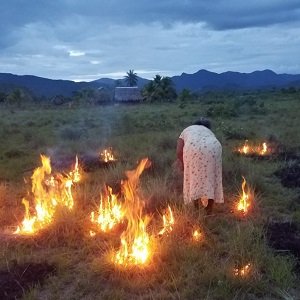
The Fire Governance Working Group aims to stimulate discussion and debate about how fire is managed and governed across the world. We provide a space for Centre students and staff to present their ideas and work, to explore commonalities and differences, and to challenge current thinking and paradigms of governance. We plan and write collaborative journal articles, conference sessions and non-academic outputs, supporting ECRs to take the lead in these activities. The Group is open to all Centre members.
Primary contact: Cathy Smith (c.smith@rhul.ac.uk)
The Equality, Diversity and Inclusion Working Group was set up with the aim of embedding EDI and social justice into the culture of the Centre, and to be an integral part of the way we do things at all levels. Our motive – to help contribute to making a fairer, more just and equitable society. The WG focus includes how we work with each other on a day-to-day basis, how we do our research (e.g. exploring decolonising environmental science), and our outreach and communications. All Centre members, including affiliates, are very welcome to be involved, whether to just listen, add views, or lead on an EDI project.
Primary contact: Adriana Ford (a.ford@imperial.ac.uk)
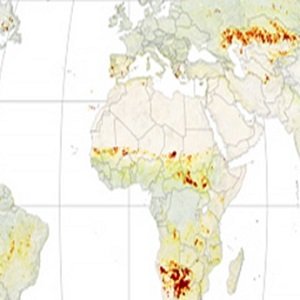
The Earth Systems Fire Group is comprised of those working on the modelling of fire, climate, and ecosystems, particularly at large spatial scales. The group meets once a month, presenting latest updates of their research to receive peer feedback and promote knowledge exchange. The group evolved from what was originally a group of ECRs working in Life Sciences at Imperial with Colin Prentice, to become a cross-Centre group across multiple departments. All Centre members welcome.
Primary contacts: Colin Prentice (c.prentice@imperial.ac.uk) and Adriana Ford (a.ford@imperial.ac.uk)
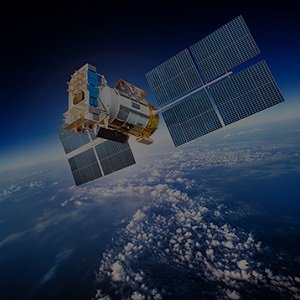
The Earth Observation of Fire Working Group aims to promote and steer the use of remote sensing technologies and techniques in the understanding and quantification of landscape fire, and also in fire management and even potentially in the avoidance of certain negative impacts from fire. We provide a space for Centre research staff and students to discuss ideas, to explore usage of ground, airborne or spaceborne EO technologies and datasets, and to connect with experts in different areas of EO. Certain members are also responsible for operational satellite products dedicated to landscape fire observations, and others have been involved in the development of the Global Fire Assimilation System (GFAS) feeding the Copernicus Atmospheric Monitoring Service. The Group is open to all Centre members.
Primary contact: Martin Wooster (martin.wooster@kcl.ac.uk)
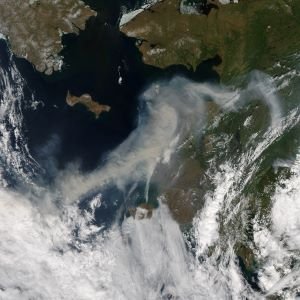
The Arctic Wildfires Working Group is a multi-disciplinary group focused on high-latitude fires from both physical and social sciences perspectives. The WG aims to keep abreast of, further develop, and promote Arctic fires research from within and beyond our Centre. Activities to date include special conference sessions and workshops, a collaborative paper in progress, and involvement in the wildfires SAV (Shared Arctic Variable) process.
The group is open to anyone in the Centre, as well as our affiliates and partners, working in this area or with a particular interest in Arctic science.
Primary contact: Adriana Ford (a.ford@imperial.ac.uk)